01still frames · 18+
AI porn images are written, not rolled
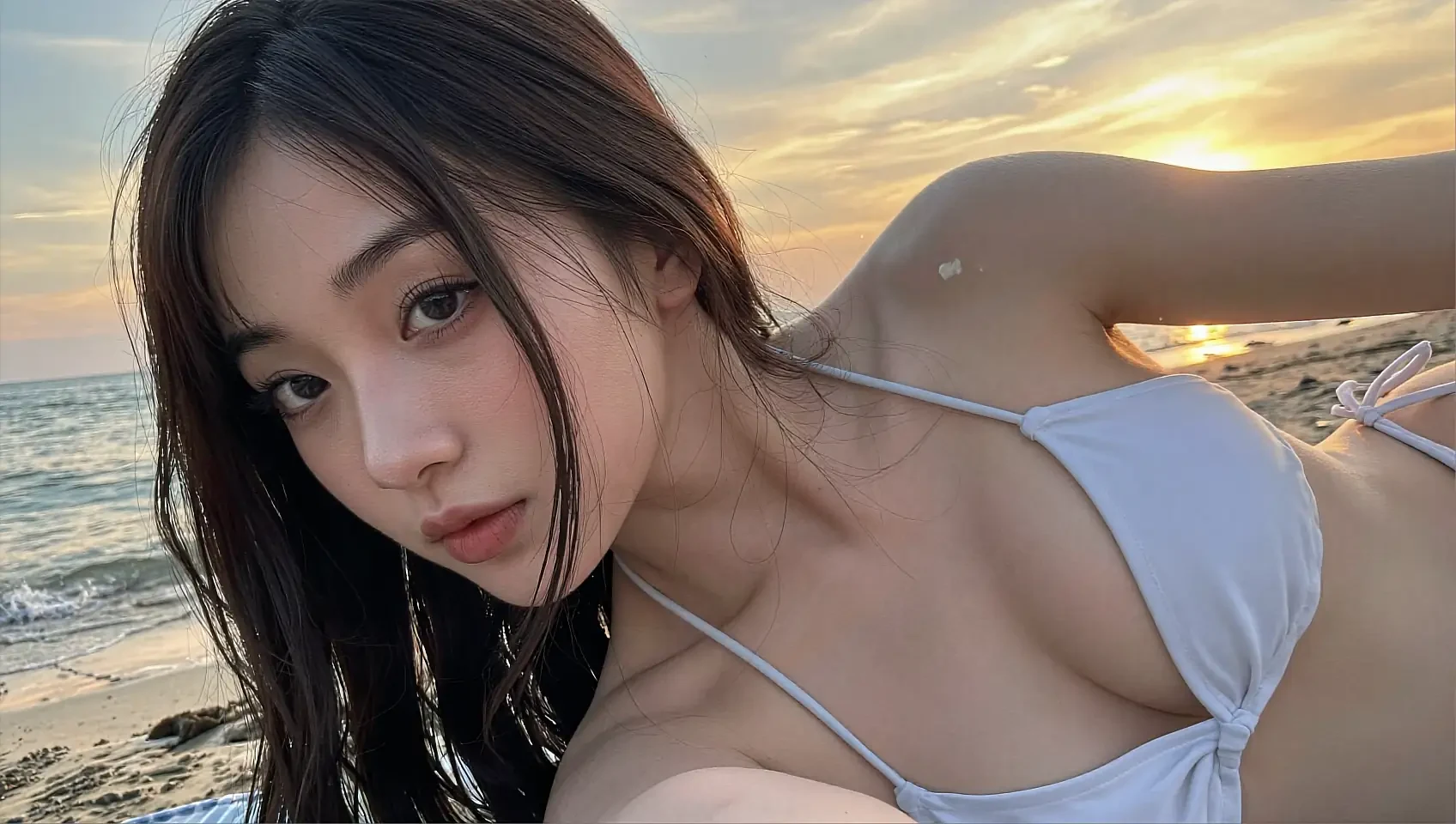
A still frame is a sentence with a light source in it. This page is about what to put in that sentence so the print comes out looking like a photograph instead of a render.
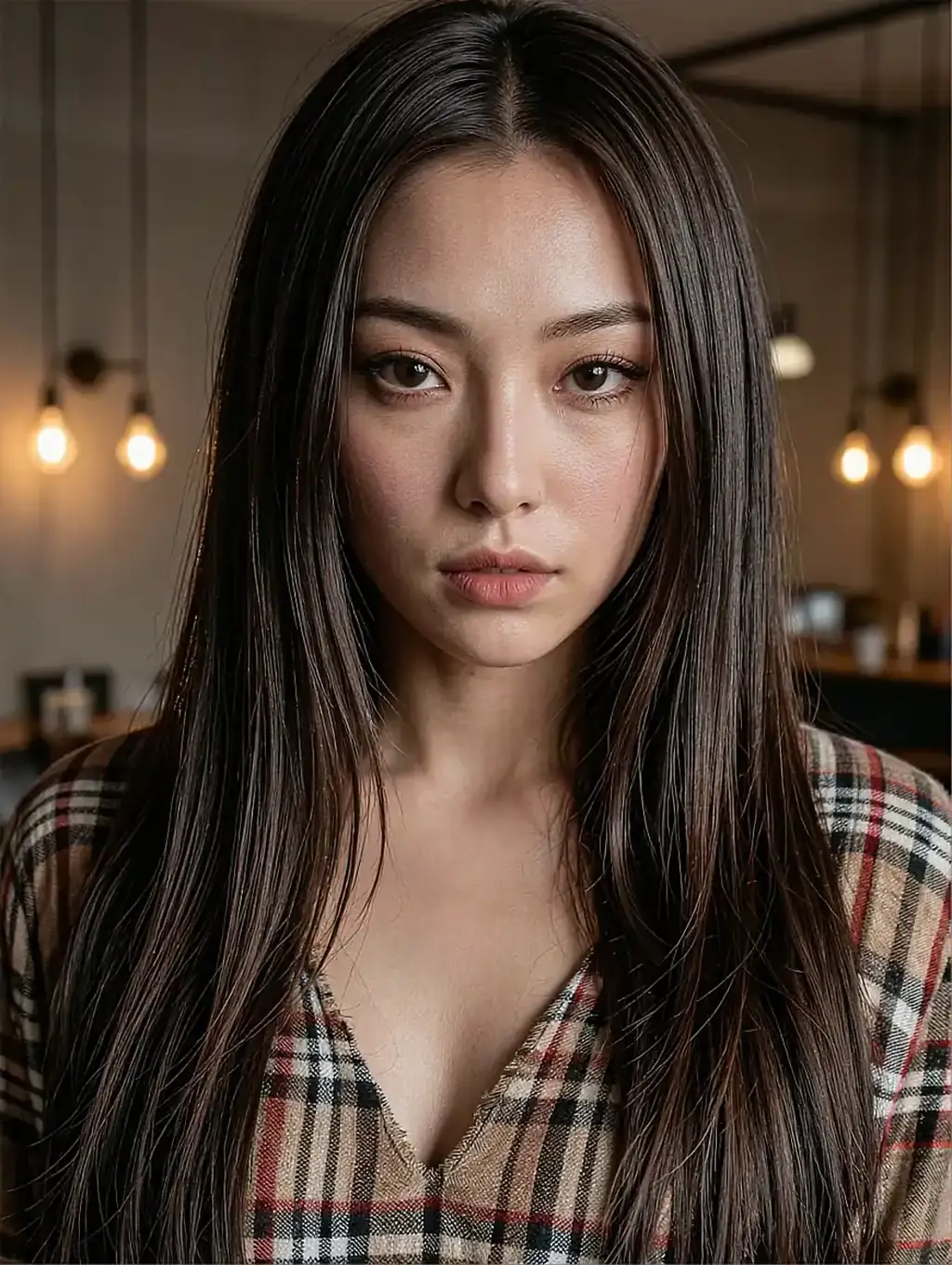
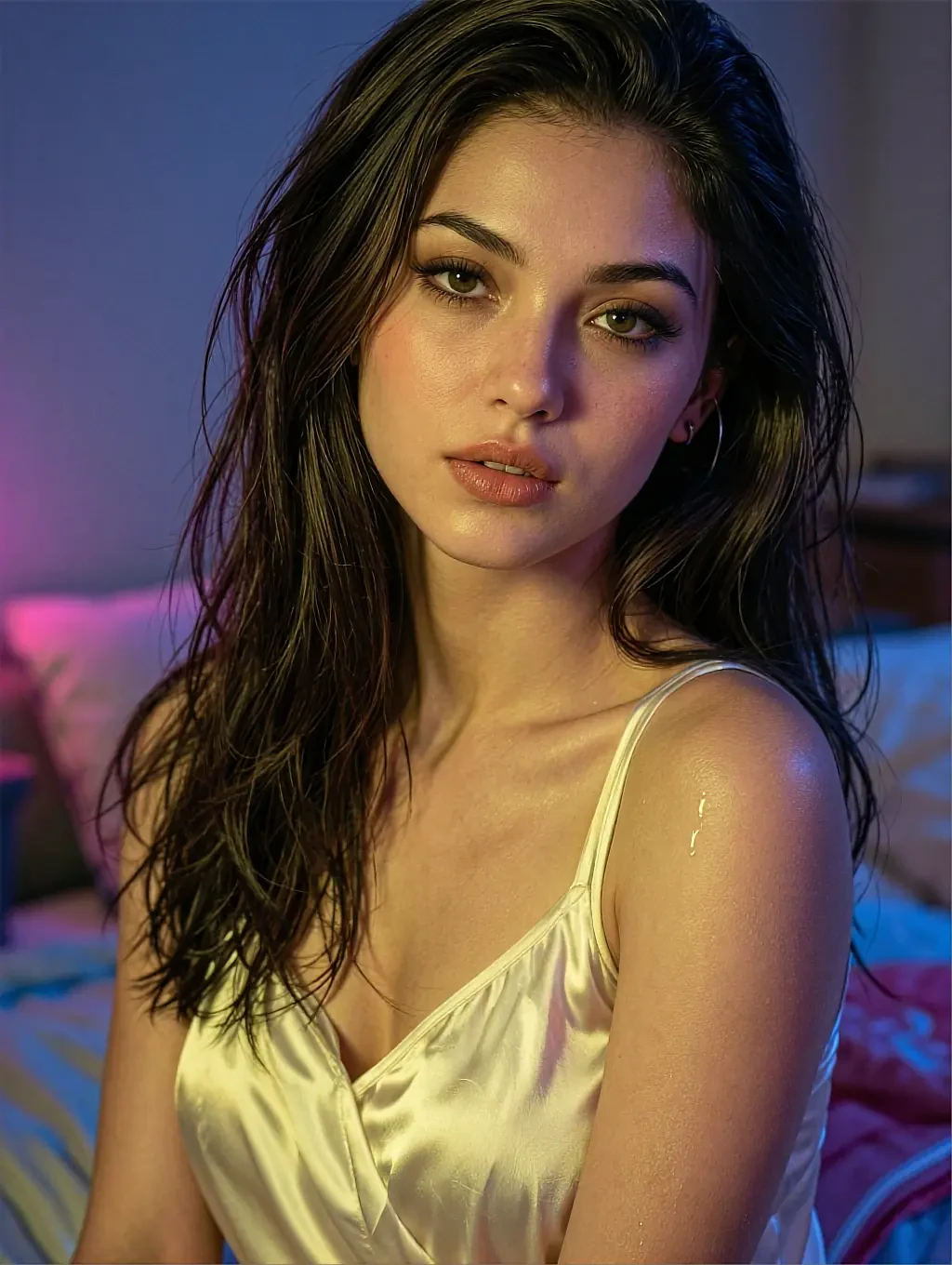
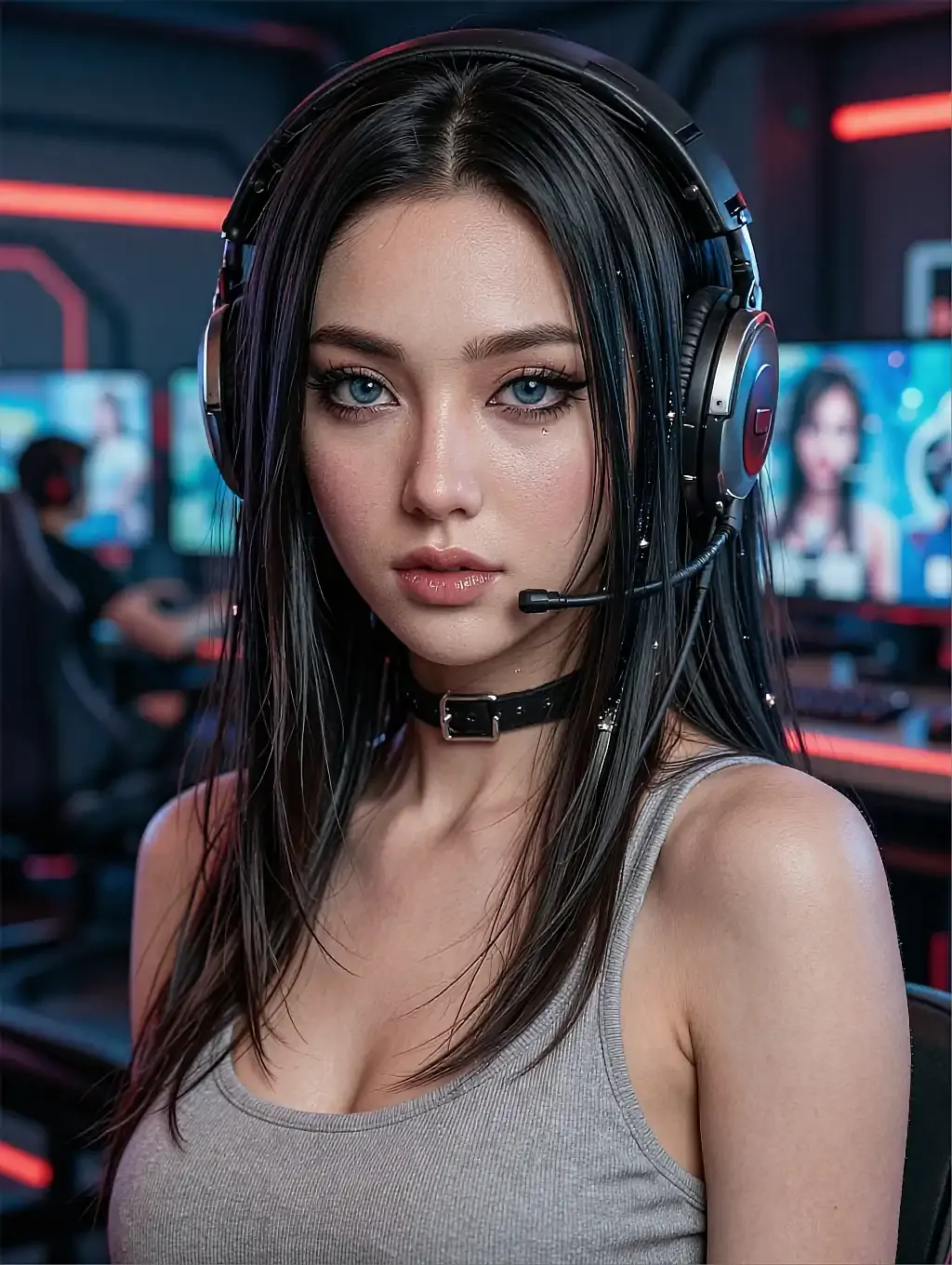
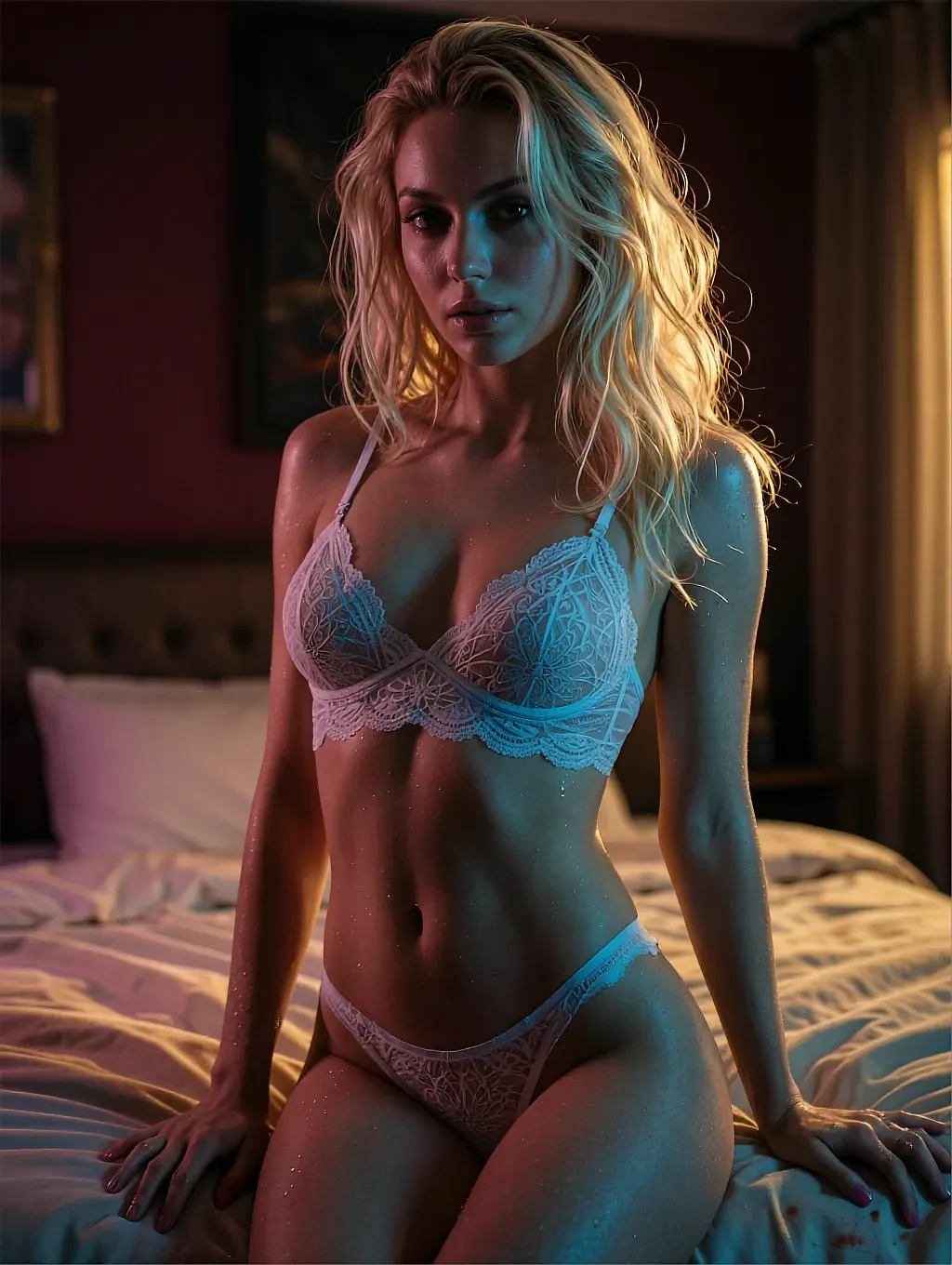
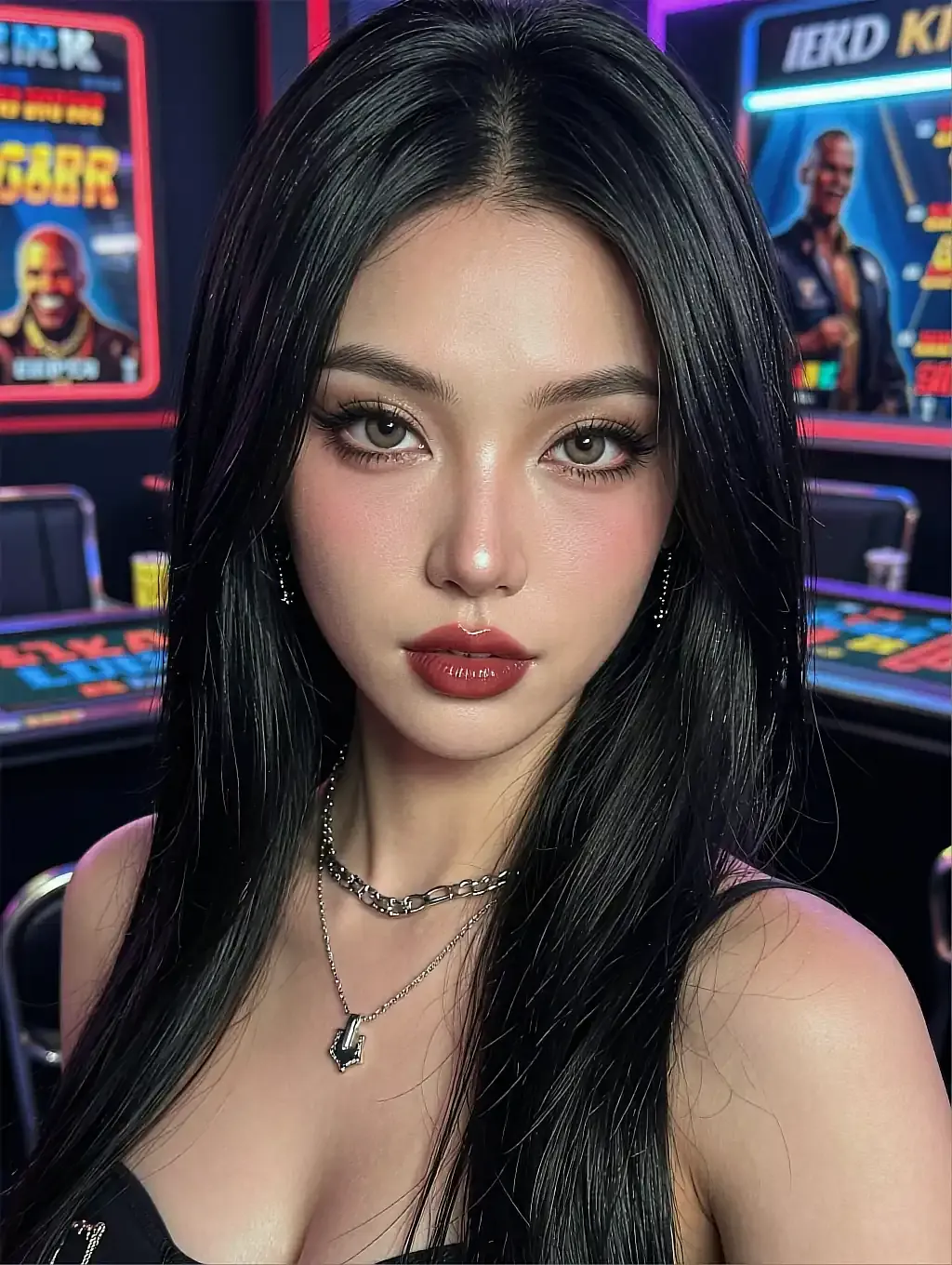
Six faces in the roster. Every one of them prints, and every one talks back. Behind the button the catalogue runs past 250.
Fictional AI characters only. Nobody here is a real person.
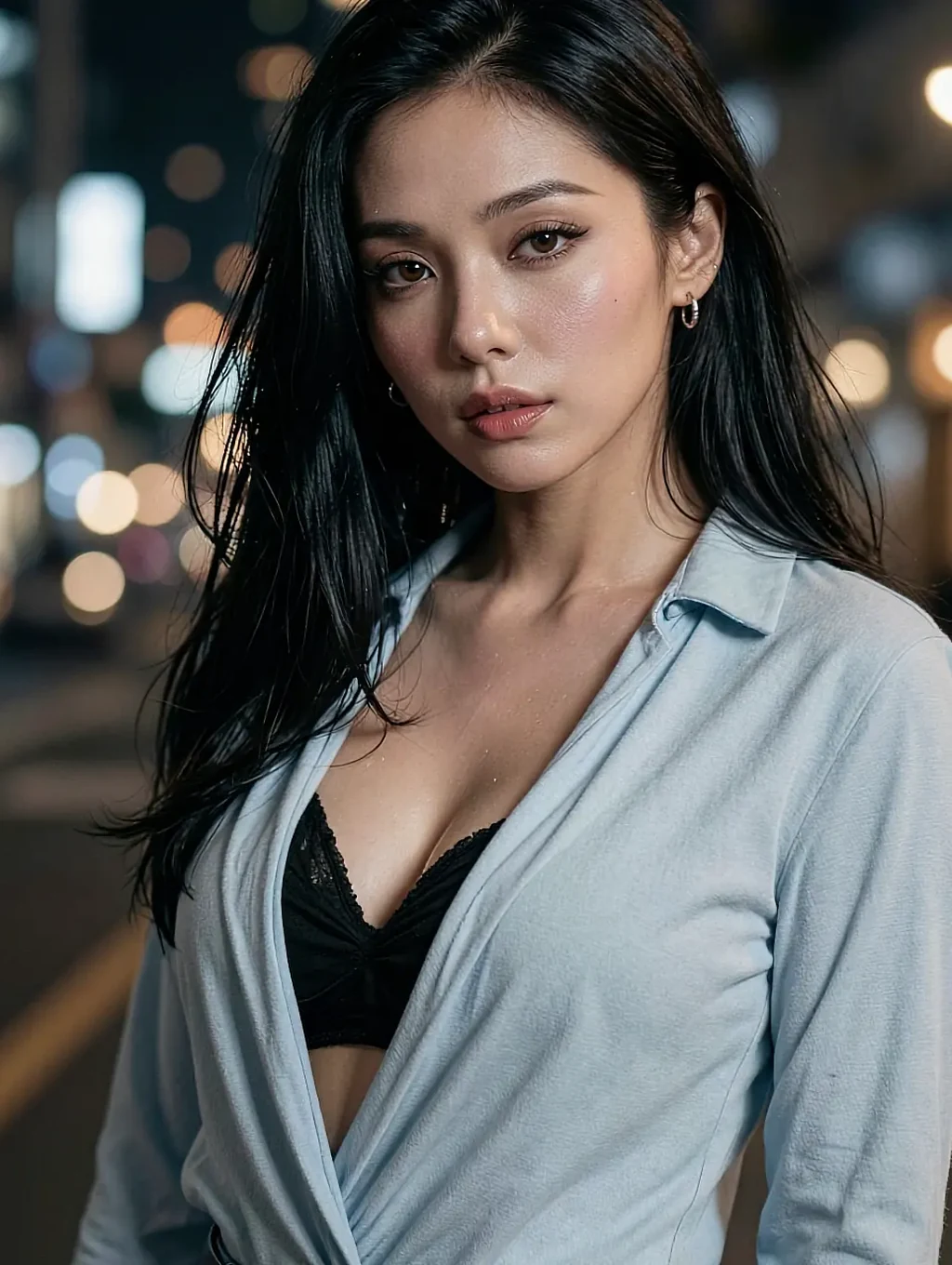
Fictional character. No photograph of a real person exists here.
- Prompt as sentence
- 3:4 prints
- Restage, don't reroll
- 18+
02The detail
The three things a prompt has to decide
Every frame that reads well made three decisions explicitly: who is in it, where the light comes from, and how tightly it is cropped. Skip one and the model guesses, which is where the render look comes from.
Good AI porn images start with a light source named out loud. 'In a bedroom' produces an average of every bedroom the model has seen. 'One lamp on the left, curtains half shut' produces a room with a direction in it, and direction is most of what makes a still look photographed rather than assembled.
The second decision is the crop. A full-body frame at 3:4 spends most of its pixels on floor and ceiling; a waist-up crop spends them on the face and hands, which is where the eye goes anyway. State the crop in the prompt and the composition stops drifting between prints.
The third is the character, and this is where picking someone from the roster beats describing a stranger. A named character keeps her face across a change of room, so your second print is a genuine variation instead of a fresh roll of the dice. That is the difference between building a set of images and collecting accidents.
What works well
- A named light source fixes most of the render look on its own
- Stating the crop keeps composition stable across prints
- Roster characters survive a change of room and wardrobe
- 3:4 prints suit portraits without wasting half the frame
- The frame develops on screen, so a bad one is obvious early
Worth knowing first
- Hands and fine jewellery still misbehave at small sizes
- There is no canvas to inpaint a single corner
- Every character is fictional — none of this is photography
- Strictly 18+, with an age gate before anything loads
03On this page
One character, three light sources
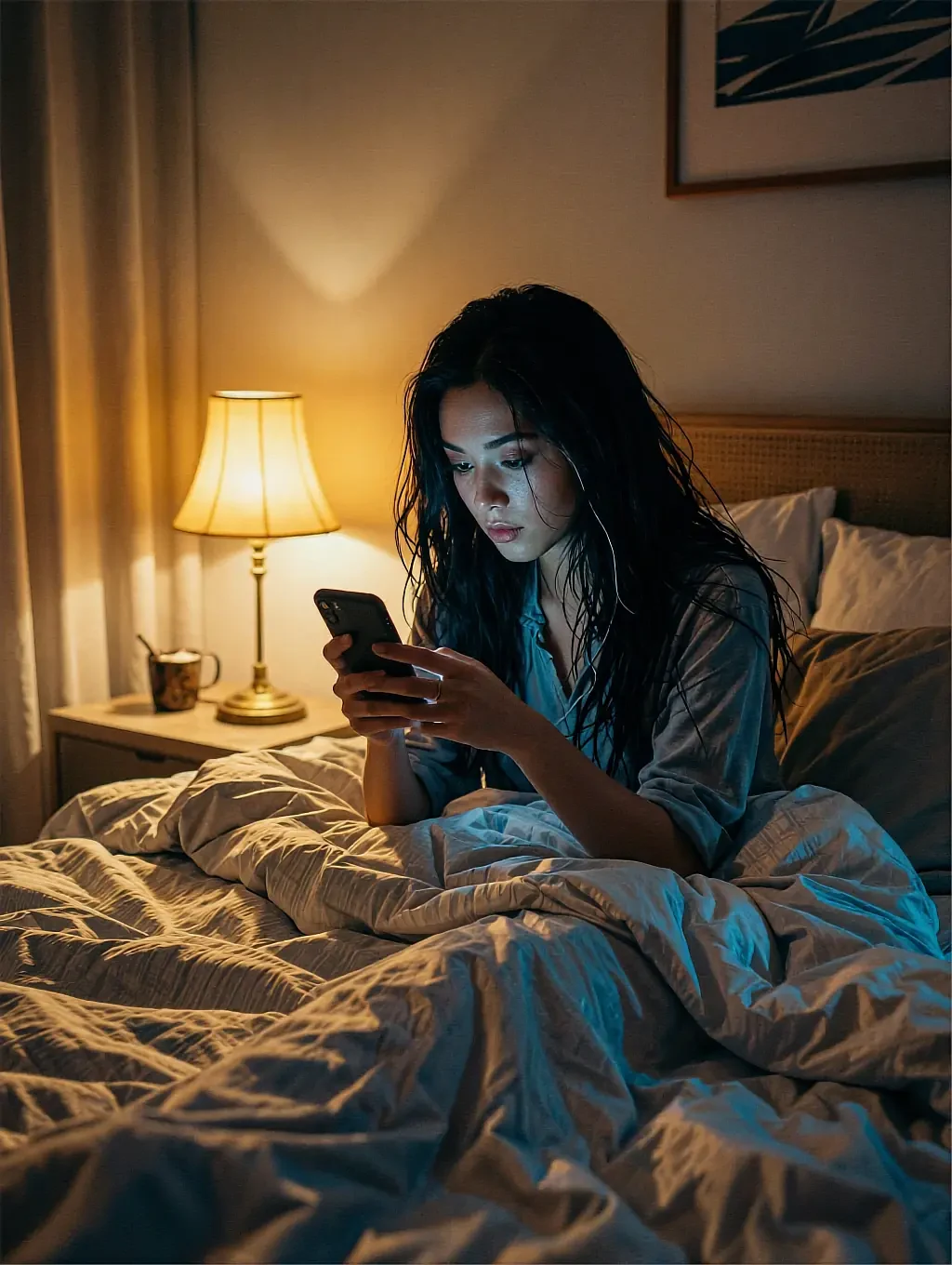
The prompt changed only in the clause describing the light. Everything else — character, crop, ratio — stayed where it was.
Hard daylight from the side. The shadow on the wall is the whole reason this frame reads as a photograph.
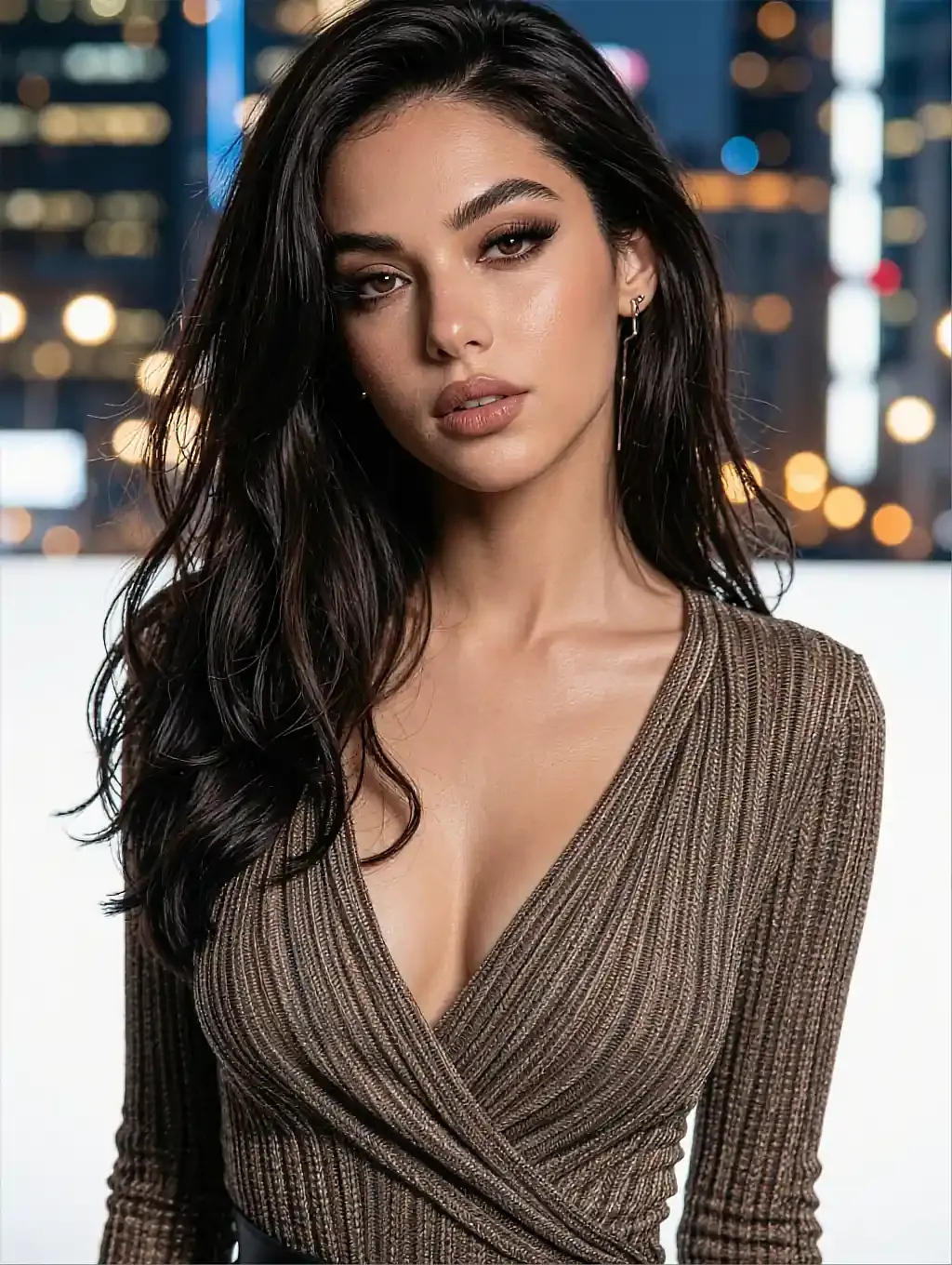
Same character, overcast window. Softer, flatter, and much more forgiving of a vague prompt.
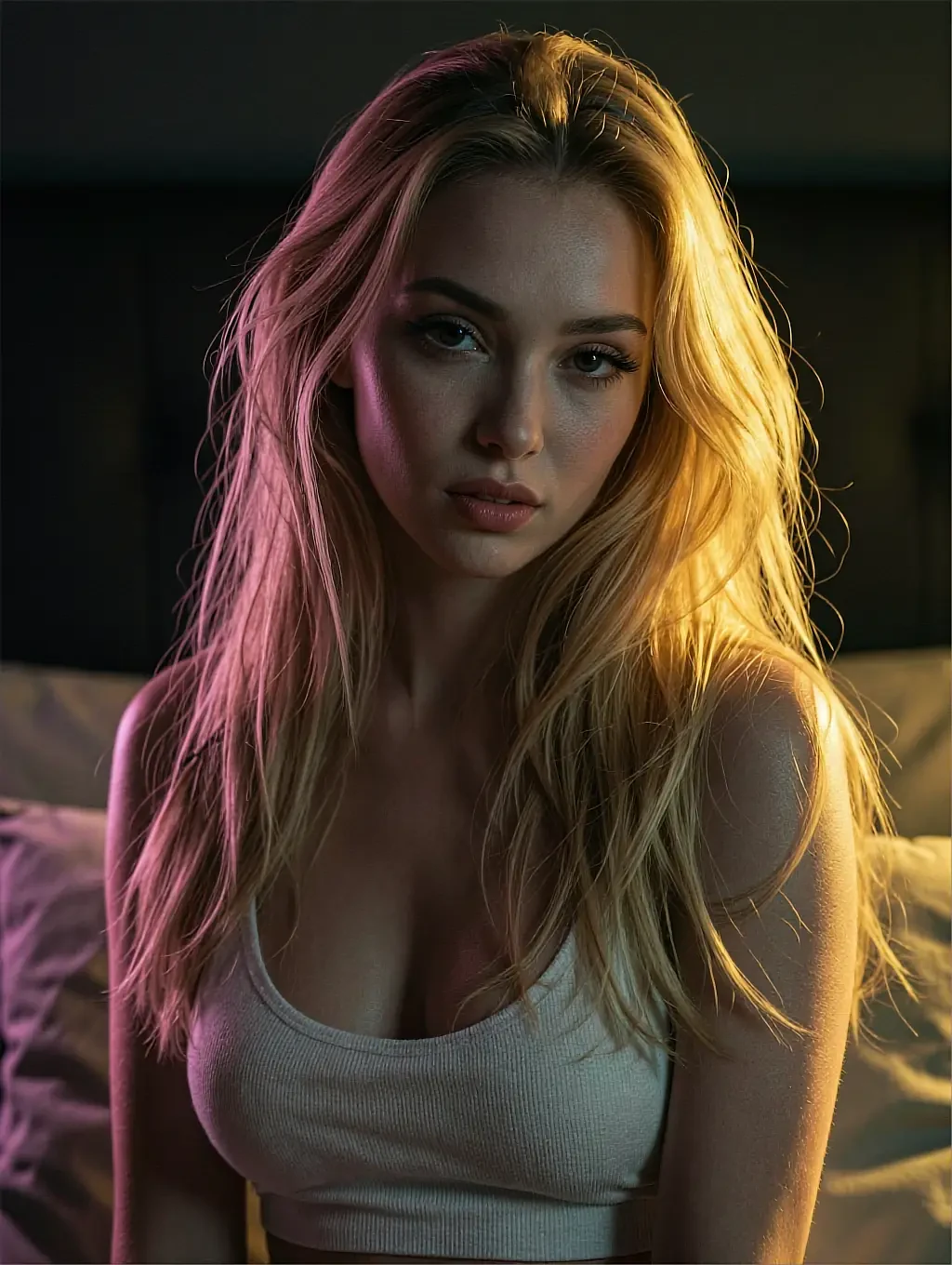
Screen light after dark. Cold, directional, and the fastest way to make a frame look like it happened at 2 a.m.
04In practice
What changes between the first frame and the fifth
The first frame tells you whether the character is right. The second tells you whether the light is. By the fifth you are no longer writing new prompts, you are editing one — and the tray fills with variations of the same idea rather than five unrelated pictures.
That is the workflow the printer is built around: the wet edge crossing the card tells you within a second whether the composition landed, so you cancel the bad ones early and let the good ones finish. Watching a frame develop is faster feedback than a progress bar, and it is the reason a session stays productive past the first ten minutes.
05Quick answers
Still frames — what people ask
01What makes an AI porn image look generated rather than photographed?
02Can I use the same character in different scenes?
03What resolution do the prints come out at?
04Can I edit one part of a frame I almost like?
05Are any of these images of real people?
06Keep reading
Four more pages, four different questions
Free access, still images, the NSFW controls, and the chat side of the same app.
07Start here
Write one sentence with a light source in it
That is the whole first step. The generator opens in this tab, the first prints cost nothing, and you will know inside two frames whether it suits you. Adults only.